Community Science recognizes the unique expertise and knowledge that comes from scientist-community partnerships. The ability to work together to address challenges by interpreting technical details and providing access to scientific information, can help to inform decision making at a local level and find solutions that benefit all. (From: Scientist Community Partnerships-Union of Concerned Scientists- http://www.ucsusa.org)
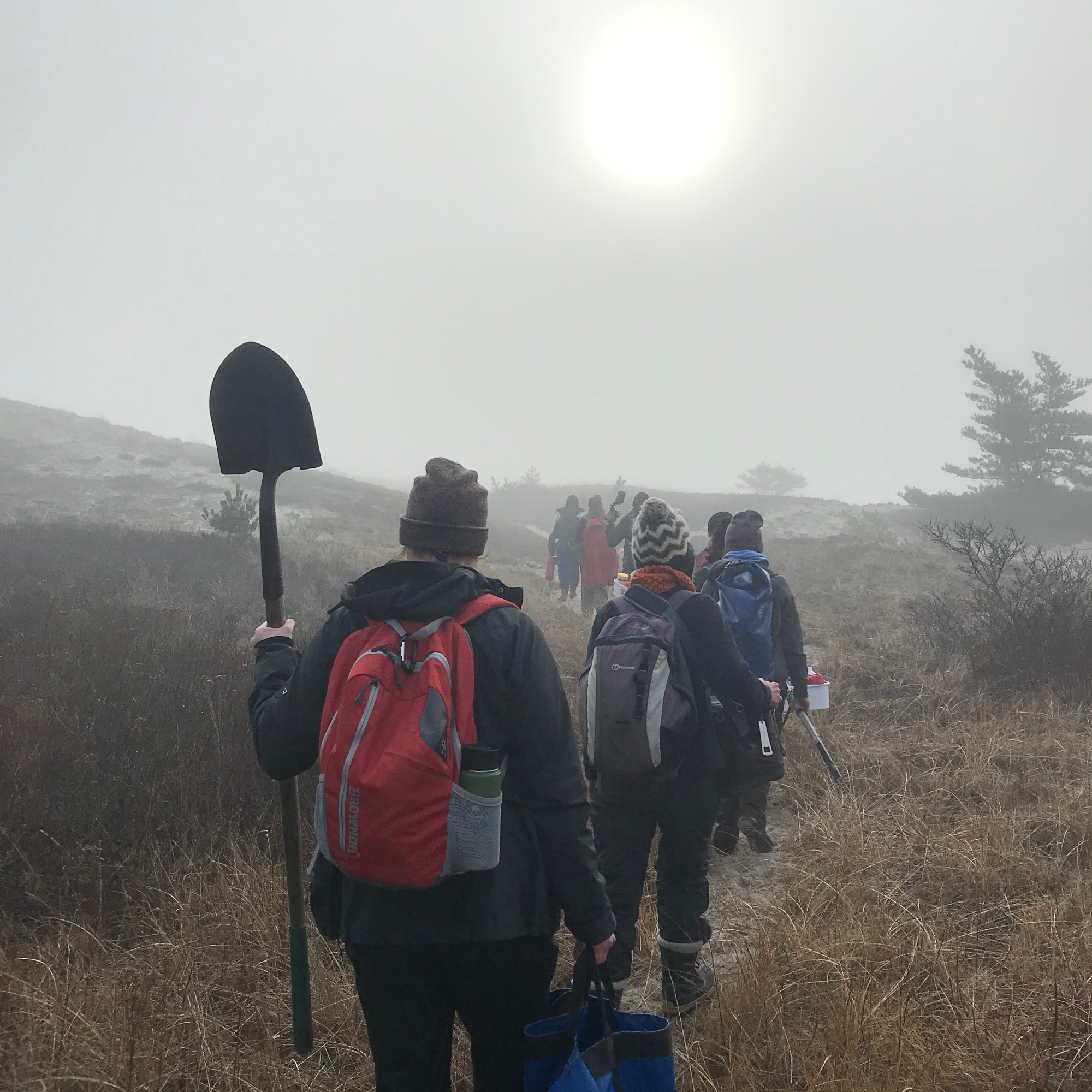
Community science applies the scientific method to social inquiry that is democratic, community-driven and community-controlled, characterized by place-based knowledge and social learning, collective action and empowerment (Salomon et al., 2018, Charles et al., 2020).
Facts do not have an agenda. It’s your responsibility as a scientist, as an organizer, as a community member, to find those facts . . . and figure out what it is you need to do with them to make life better for everybody.
http://www.ucsusa.org/scientistsandcommunities –
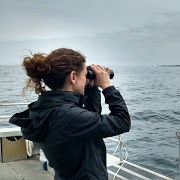
As an interdisciplinary community scientist, my collaborators include fishermen, veterinarians, engineers, marine mammal stranding organizations, social scientists, economists, NGOs, fishery and marine protected species managers, teachers, artists, land owners and local residents. The work I conduct centers around marine mammals as sentinels of ocean and human health as well as addresses the often overlooked challenges of rebounding marine mammal populations in the context of health and ecosystem function.
The goals of my research and outreach are to be able to provide the knowledge needed to mitigate human impact on marine species, understand risks of these impacts, facilitate effective collaborations, and raise awareness of ocean health and its connection to human health.
Whether on Cape Cod, the Gulf of Maine, the NW Atlantic or any coastal community interface, we need to be better at integrating knowledge and recognizing where our collective strengths- and weaknesses- are in these partnerships. We need to “call it out, and call it in” if we are to find solutions to complex conflict and coexistence challenges.
How Do We Coexist?
Projects & Strategies To Address Rebounding Marine Mammal Populations
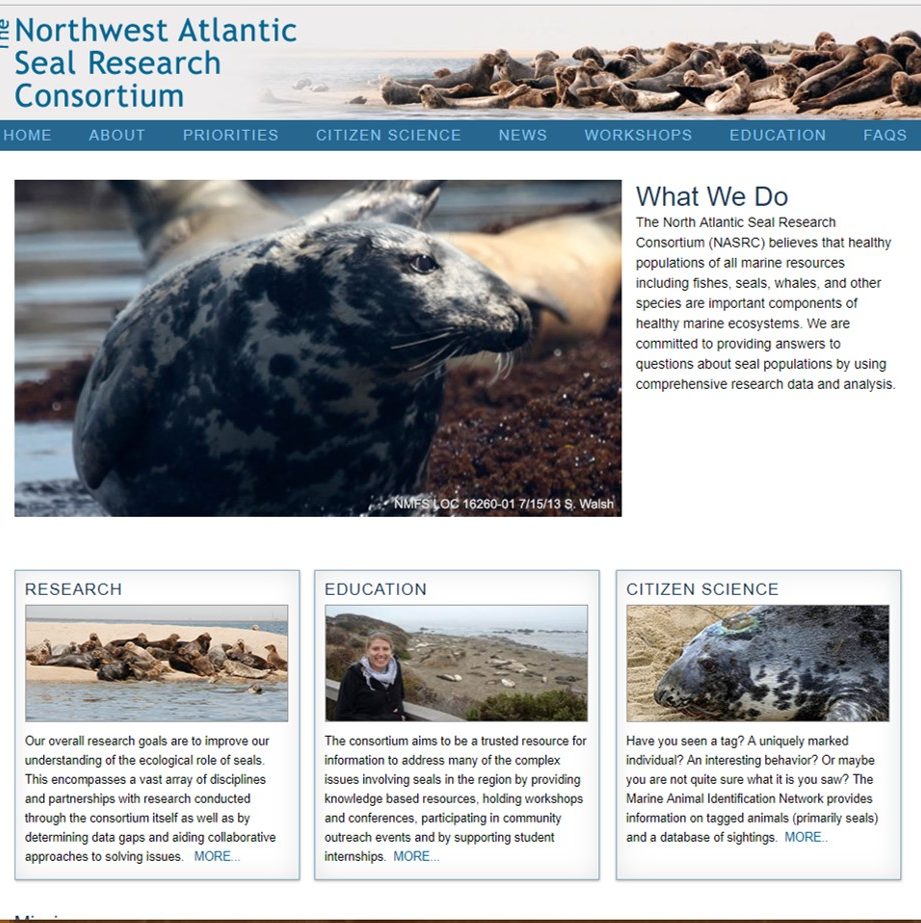
The Northwest Atlantic Seal Research Consortium (NASRC) recognizes that healthy populations of all marine resources including fishes, seals, whales, and other species are important components of healthy marine ecosystems. We are committed to providing answers to questions about seal populations by using comprehensive research data and analysis.
Fishing Community Engagement in Research and Public Health – Interactions with marine animals can also lead to human health risks. From spines to bites and ink to gurry, fishermen face a very unique and challenging set of health risks. A team of interdisciplinary collaborators are working together to create “Marine Animal Pathogen Risk Guidelines” tailored for fishermen and those working closely with the marine environment. STAY TUNED!
Understanding Seal-Fisheries Interactions
Gaining a better understanding bycatch of and depredation due to marine animals, is an important step to reducing these interactions. The research performed by commercial fishermen, the Center for Coastal Studies and the Woods Hole Oceanographic Institution, will allow for a better understanding of the interactions between gillnet fisheries and predators such as dogfish and seals. The data collected will help commercial fishermen understand possible conflicts between gear and predators, including depredation and entanglement.
Long Term Seal Photo ID Research at the Shoals Marine Lab (2011-current)
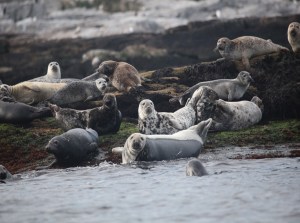
Seals of Duck Island, Isles of Shoals- Maine, USA
Since 2011, the marine mammal internship program at the Shoals Marine Lab has been documenting the changing harbor and gray seal population on Duck Islands and Ledges. This little island is providing big insights into the changing Gulf of Maine ecosystem. The seals here are truly sentinels of ocean health. Research being conducted with students and colleagues include population counts, photo ID, entanglement prevalence, standardization of data collection for the region, health assessment and site fidelity. For information on data collected, and to use this data, please contact Dr. Andrea Bogomolni: abogomolni@gmail.com
Marine Mammals In the Caribbean: Eastern Caribbean Cetacean Network
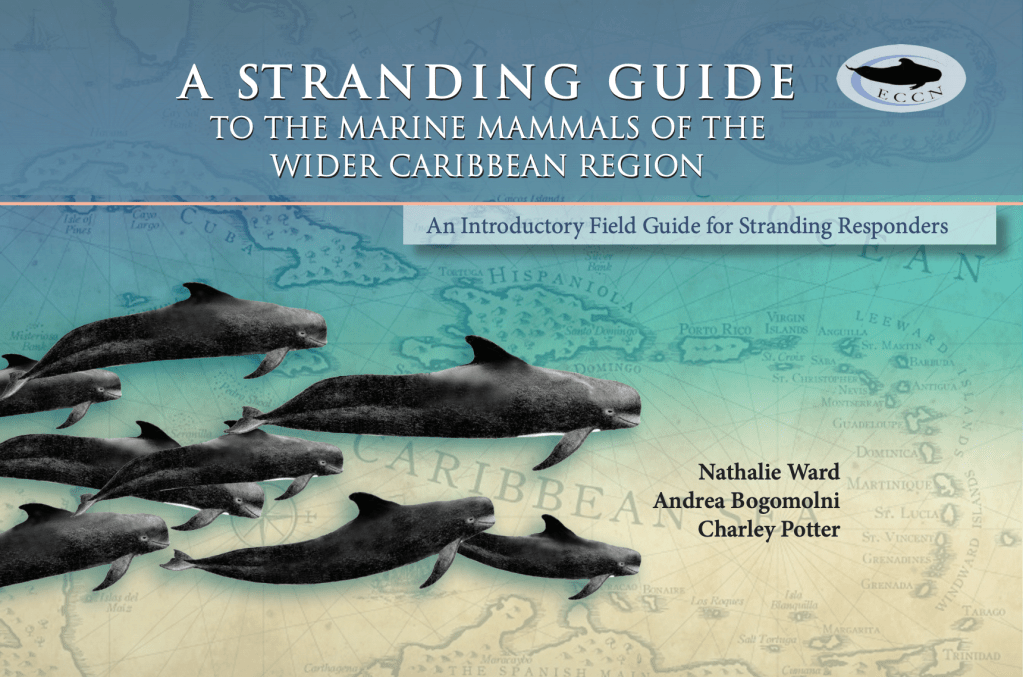
Caribbean Marine Mammal Stranding Guide
This Wider Caribbean Marine Mammal Stranding Guide was created through the Eastern Caribbean Cetacean Network (ECCN). The objective of ECCN is to gain community support for the protection of resident and migratory whales and dolphins and their marine habitat. The network is a regional, volunteer network that records sightings and strandings of marine mammals in the Eastern Caribbean.
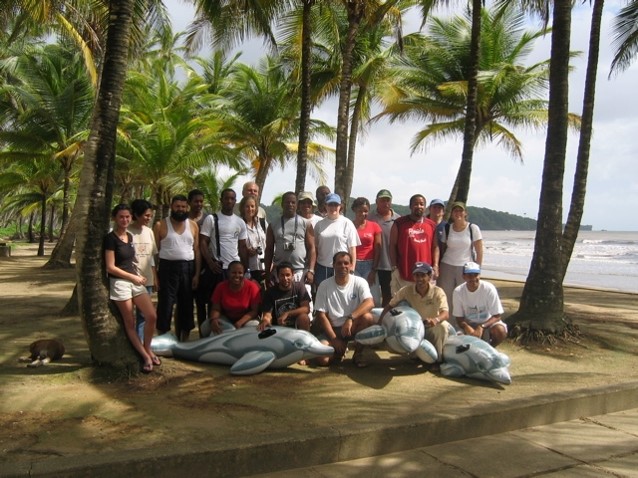
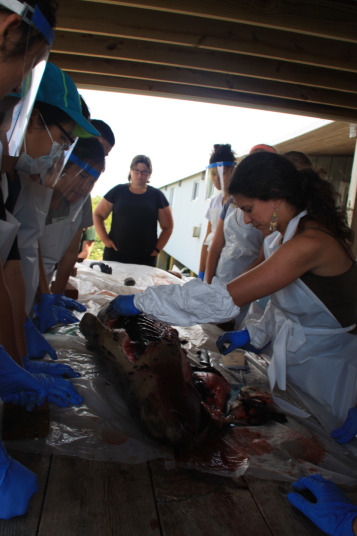
Marine Mammal Stranding and Necropsy Trainings
Sharing experiences to advance marine mammal stranding science with local, national and international colleagues, is extremely rewarding and results in a gain of knowledge by all. Whether on Cape Cod, India or the Eastern Caribbean Islands, we continue to learn and share ideas.
Education, whether in the classroom or in the greater community, is central to community science.
Marine Mammals
Courses and Appointments:
Faculty- Marine Studies Consortium. Introduction to Marine Mammal Biology (2020-2022).
Adjunct Faculty- Massachusetts Maritime Academy (2019-current). Marine Mammals.
Instructor- Woods Hole Children’s School of Science (CSS), Woods Hole MA (Summer 2002-2018)
Teaching Faculty- Shoals Marine Lab, Introduction to Marine Mammals, (Summer 2015-2019)
Adjunct Lecturer- Bridgewater State University, BIOL 408 Marine Mammal Biology, Graduate and Undergraduate Sections (Summer 2015-2018)
Senior College- Bridgewater State University-Marine Conservation Challenges (2020)
Marine Mammal Research Mentor- Shoals Marine Lab, (2011-current)
Adjunct Faculty- University of Massachusetts Boston (2021-current)
Community Conversations
Community conversations are critical. To make a request for Dr. Andrea Bogomolni to guest lecture or participate in speaking engagements, please feel free to fill out the contact form.
 Andrea Bogomolni